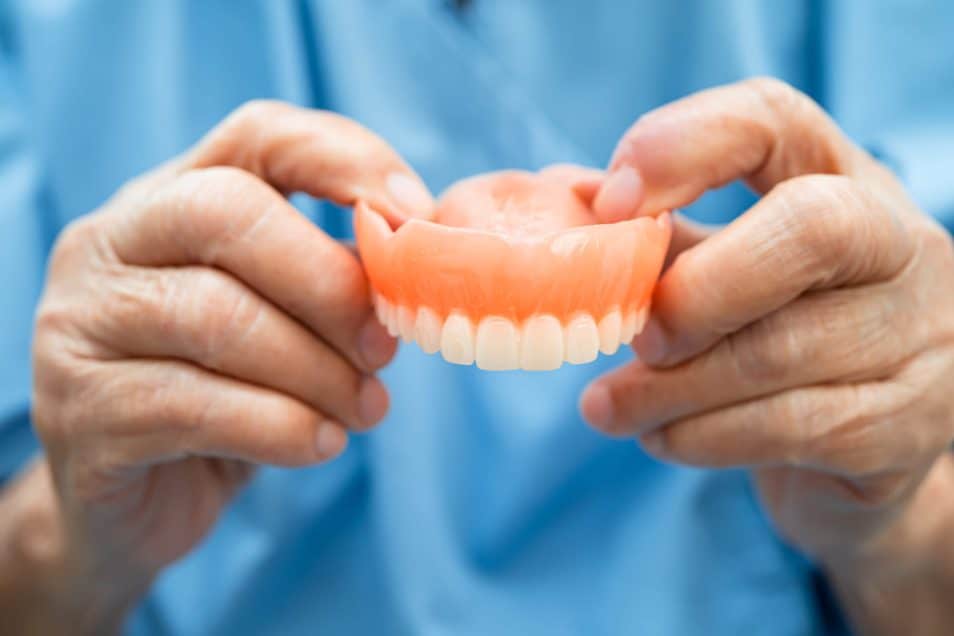

Missing teeth can have a huge impact on your life – beyond just the way you look. Eating’s suddenly a real challenge, your speech might be different, and your confidence can be knocked right off track. For a lot of people here on the Gold Coast, getting dentures is a pretty practical way to get your life back on track and start enjoying your daily activities again. If you’re trying to find out more about denture clinics on the Gold Coast, it helps to get a handle on the different treatment options available, what to anticipate during appointments, and how to look after your dentures for long-term comfort.
What is a Denture Clinic All About?
A denture clinic is all about assessing, designing, making, repairing and maintaining dentures. People come to them for all sorts of reasons – from replacing a single missing tooth right through to getting a whole set of dentures after their teeth have fallen out.
The main goal is to create dentures that fit like a glove, allow people to talk normally and be able to eat whatever they want. They might also do adjustments when dentures become loose because of changes in the gums and jawbone.
What Kinds of Dentures Are Out There?
There are several types of dentures available, depending on what’s going on with your oral health, your lifestyle and your budget. Understanding the options makes it a lot easier to have a conversation with a clinician.
Denture Type-Suitable For-FeaturesFull Dentures- People who’ve lost all their upper or lower teeth-Replaces a whole set of teethPartial Dentures- People who still have some of their own teeth-Fills in gaps while keeping your own teethImplant-Supported Dentures- People who want extra stability-Secured with dental implants
Each one has its own pros and cons, and what’s best for you depends on things like your bone structure, gum health and personal preferences.
When Do You Know You Need Dentures?
Lots of people think you only need dentures when you’ve lost all your teeth. But the thing is, dentures can become necessary earlier on – even when you’ve only lost a few teeth and it’s starting to affect your daily life.
Common signs to look out for include:
- Struggling to chew certain foods
- Multiple teeth missing
- Your teeth feeling loose or shifting
- Ongoing discomfort from your teeth being damaged
- Your speech getting affected by gaps in your mouth
A professional check-up can tell you if dentures are the way to go, or if there’s another treatment that’s better suited to your needs.
What to Expect at Your First Appointment
The first consultation usually involves talking about your dental history, what’s been going on and what you’re hoping to get out of treatment. The clinician will have a good look at your mouth, check on the health of your gums and any teeth you still have left.
They’ll probably take some measurements and impressions to get a precise model of your mouth. This helps make sure the final dentures fit properly.
Depending on how complicated the treatment is, you might need to go back a few times before the dentures are finished. They’ll often do trial fittings to check the appearance, comfort and functionality before they do the final version.
How Are Dentures Made?
Modern dentures are made through a pretty involved process that combines clinical expertise with lab work. After the impressions are taken, a model is created that matches the shape of your mouth.
Then they design the denture base to sit comfortably against your gums. They pick out the artificial teeth and arrange them so they suit your facial features, the way your teeth are aligned and how you eat.
Once you approve the trial version, the final denture is made using hard-wearing materials that are designed to withstand everyday use. They’ll often make some final adjustments after fitting to make sure you’re really comfortable.
Adjusting to New Dentures
The first few weeks with dentures can take some getting used to. This is completely normal and can vary a lot from person to person.
Some people notice a bit of soreness, or that they’re producing more saliva than usual, or they have trouble pronouncing certain words. These issues usually sort themselves out as your mouth gets more used to the new appliance.
Eating soft foods for a bit can help, as can reading out loud to improve your speech as you get used to the fit and feel of the dentures.
Regular follow-ups with the clinician are a good idea because sometimes a few small adjustments can make a big difference to how comfortable you are.
Denture Repairs and Relines
Even with high-quality dentures, you’re going to need to do some maintenance over time. Day to day wear and the natural way your jaw and gums change can affect how the dentures fit.
A reline is when they reshape the part of the denture that contacts the gums, so it fits a bit better. This can make a big difference in terms of stability and comfort.
Repairs might be necessary if a denture cracks, chips or breaks. Trying to fix it yourself is generally not a good idea – it can end up messing with the fit and making things worse.
Professional repairs help keep your dentures functioning properly while minimising the risk of discomfort.
Choosing a Denture Clinic on the Gold Coast
The Gold Coast is a big place with a lot of denture providers to choose from. When you’re picking a clinic, it’s not just about which one is the cheapest.
This is where Harvey Smiles Denture Clinic can help, experience, communication, the types of treatment they offer and aftercare services all matter a lot. A good clinic will explain things clearly and be realistic about what you can expect to get out of treatment.
Where they are located can also be a consideration. Denture treatment often takes a few appointments, so whether they’re close to you can make a big difference.
A lot of people also appreciate clinics that offer ongoing support after you’ve got your dentures fitted, particularly if you end up needing some adjustments.
Caring for Your Dentures
Keeping your dentures in good condition can help extend their life and protect your oral health. Although they’re artificial, they still need to be cleaned every day.Food particles and plaque can easily build up on your dentures just like they do on your real teeth. Thats why regular cleaning is so important – it can really make a difference in reducing odour and stains.
Handling your dentures with a bit of care can also go a long way in avoiding accidental damage. You’d be surprised how many people clean them over a folded towel or in a basin of water just to cut down on the risk of them breaking if they do get dropped.
Taking care of your gums is also really important when you’ve got dentures. If you don’t keep on top of things, problems can go unnoticed and your dentures may not fit properly.
Common Questions About Dentures
A lot of people on the Gold Coast still have a few burning questions when they first start looking into getting dentures.
One thing a lot of folks are worried about is whether dentures will be comfy. Now, it is true that new dentures can feel a bit strange at first, but most people settle in over time. The key to a good fit is making sure theyre fitted right and having adjustments made if needed.
Another thing lots of people want to know is how their dentures will look. The good news is that modern dentures are designed to look super natural – and they can even be customised to match your face and age.
Some people are also curious about how long dentures will last. Honestly, its all down to how well you look after them, how well they fit and how your mouth changes over time. Some dentures will need some maintenance and will eventually need to be replaced.
Final Thoughts
When you’re on the hunt for a good denture clinic on the Gold Coast, the first thing to do is get a clear idea of what you need and what your options are. With the right dentures fitted properly, you can end up with improved chewing ability, better speech and heaps more confidence. Whether its full dentures, partial dentures or implant-supported dentures, each has its own particular uses – so getting some professional advice is a good place to start.
Lots of people also wonder whether they’ll have to keep on top of their dentures once they’ve got them. The answer is yes – they will need a bit of ongoing care. You’ll need regular reviews, the occasional tweak and a decent daily cleaning routine just to keep them feeling comfortable and functioning properly. If you can get a clear idea of what to expect before treatment starts, then you can make some informed decisions and feel a whole lot more confident throughout the whole process.